

Currently Empty: ₹0.00
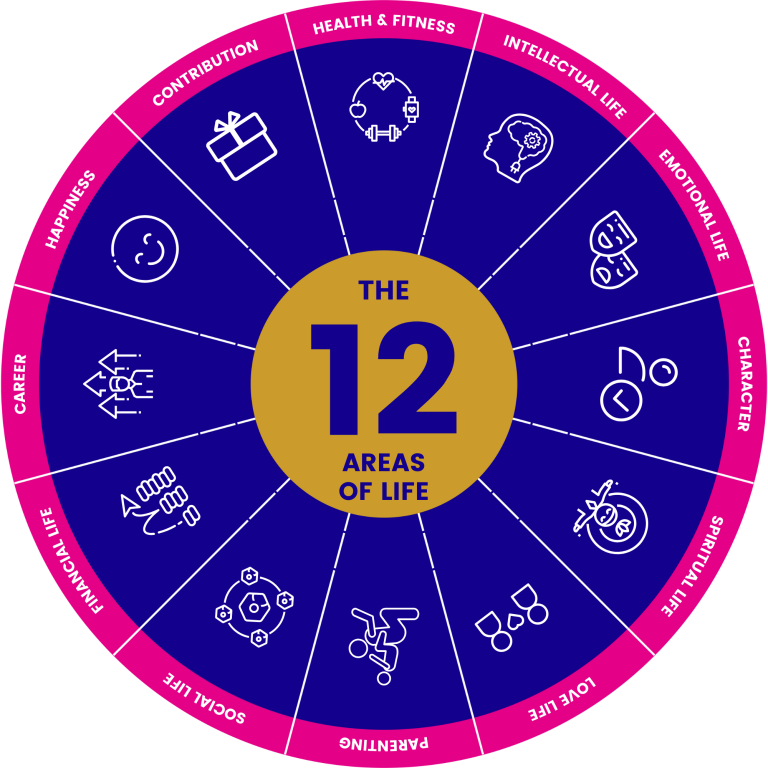
EMOTIONAL LIFE
Emotional Mastery 101: Learn to Respond, Not React

Have you ever said something in the heat of the moment and regretted it later? Or felt your emotions hijack your actions before you even realized what was happening? You’re not alone. In our fast-paced, high-pressure world, emotional mastery isn’t just a nice-to-have—it’s essential for healthy relationships, personal growth, and true happiness. The secret? Learning to respond, not react. In this guide, we’ll explore what emotional mastery really means, why it matters, and how you can start cultivating it in your daily life.
The Difference Between Reacting and Responding
At first glance, reacting and responding might seem similar—they both involve an action following an emotion. But the difference is profound.
Reacting is immediate, automatic, and often driven by unconscious feelings or triggers. It’s the sharp retort in an argument, the angry email you wish you could unsend, or the urge to slam a door when frustrated. Reactions are usually impulsive and can escalate situations or create regret.
Responding, on the other hand, is intentional and thoughtful. It’s about pausing, processing your emotions, and choosing your next move with awareness. When you respond, you’re in control—not your emotions. This leads to healthier communication, better outcomes, and a greater sense of self-respect.
Why Emotional Mastery Matters
Emotional mastery is the foundation of emotional intelligence. It empowers you to:
- Navigate conflicts with grace and clarity
- Build stronger, more trusting relationships
- Make decisions aligned with your values, not your moods
- Reduce stress and anxiety by breaking the cycle of emotional reactivity
- Cultivate resilience in the face of life’s challenges
When you master your emotions, you become the author of your own story—not just a character swept along by the plot.
The Science Behind Emotional Reactions
Our brains are wired for survival. When we perceive a threat—real or imagined—the amygdala (the brain’s emotional center) triggers a fight, flight, or freeze response. This is great for escaping danger, but not so helpful in a tense meeting or family disagreement.
The key to emotional mastery is engaging the prefrontal cortex, the part of the brain responsible for reasoning and self-control. By creating a pause between stimulus and response, you give your rational mind a chance to weigh in, rather than letting your emotions run the show.
Practical Steps to Respond, Not React
1. Notice Your Triggers
Start by identifying situations, people, or topics that tend to set you off. Awareness is the first step to change.
2. Practice the Pause
When you feel a strong emotion rising, pause. Take a deep breath. Count to five. This simple act interrupts the automatic reaction and gives you a moment to choose your response.
3. Name Your Emotion
Labeling what you’re feeling—anger, fear, disappointment—helps you process it. Research shows that naming emotions reduces their intensity and gives you more control.
4. Ask Yourself Key Questions
Before acting, ask: “What am I really feeling? What outcome do I want? Will this action help or hurt?” This reflection shifts you from reaction to response.
5. Choose Your Response
Respond in a way that aligns with your values and long-term goals. Sometimes, the best response is to say nothing at all, or to revisit the conversation later.
6. Practice Self-Compassion
Emotional mastery is a journey, not a destination. Be gentle with yourself when you slip up. Every moment is a new opportunity to practice.
Real-Life Scenarios: Responding in Action
Imagine you receive critical feedback at work. A reaction might be to get defensive or shut down. A response would be to pause, thank the person for their input, and reflect on how you can grow.
Or consider a heated argument with a loved one. Reacting could mean raising your voice or saying something hurtful. Responding means taking a breath, expressing your feelings calmly, and listening to their perspective.
These small shifts can transform your relationships and your life.
Conclusion: My Personal Reflection
Emotional mastery has been one of the most transformative skills I’ve ever learned. There were times when my reactions created distance and misunderstanding, but learning to pause and respond has brought more peace, connection, and confidence into my life. It’s not about suppressing emotions, but about honoring them and choosing how to express them. Every day offers a new chance to practice—and every step forward is a victory worth celebrating.
Join Our Community!
Ready to take charge of your emotions and build a more mindful, empowered life? Join our community of growth-minded individuals who are committed to mastering their emotions and supporting each other on the journey. Share your stories, learn new tools, and be part of a movement that values self-awareness, compassion, and authentic connection. Let’s grow together—one mindful response at a time!