

Currently Empty: ₹0.00
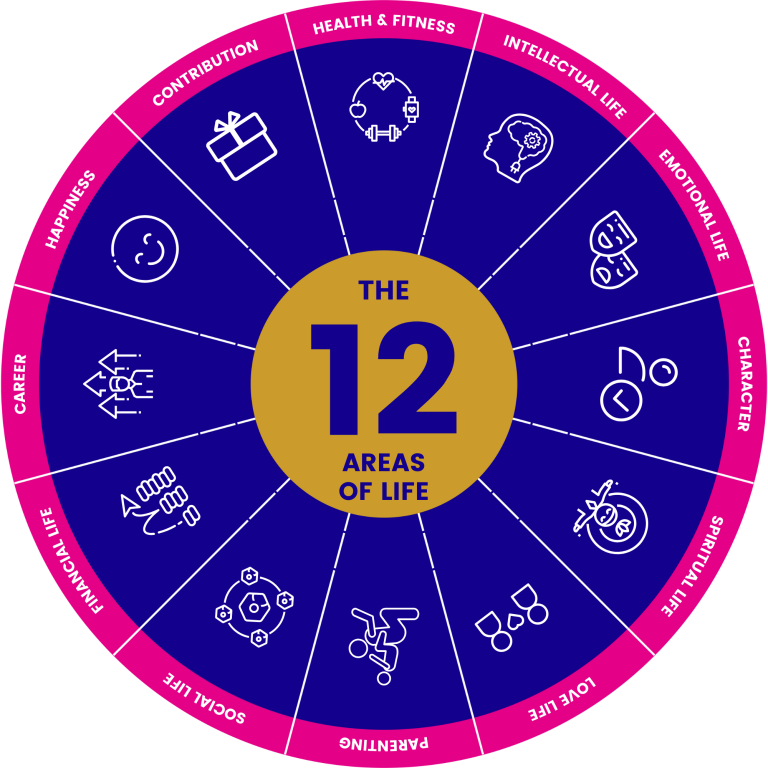
INTELLECTUAL LIFE
Slow Thinking vs. Fast Thinking: Mastering Cognitive Balance

In our fast-paced, information-saturated world, the way we think shapes every decision, reaction, and relationship. But did you know that your brain operates in two distinct modes? These are often called “slow thinking” and “fast thinking.” Understanding and mastering the balance between these two cognitive styles can transform not only your productivity but also your creativity, relationships, and overall well-being. Let’s dive into the fascinating world of cognitive balance and discover how you can harness both slow and fast thinking to your advantage.
What Are Slow Thinking and Fast Thinking?
The concepts of slow and fast thinking were popularized by Nobel laureate Daniel Kahneman in his groundbreaking book, Thinking, Fast and Slow. He describes two systems that govern our thought processes:
System 1: Fast Thinking
This is your brain’s autopilot. It’s quick, intuitive, and emotional. Fast thinking helps you make snap judgments, recognize faces, and react instantly to danger. It’s the mental mode you use when you catch a ball, finish a familiar phrase, or drive a well-known route.
System 2: Slow Thinking
This is your brain’s deep thinker. It’s deliberate, analytical, and logical. Slow thinking kicks in when you solve a complex math problem, plan a project, or weigh the pros and cons of a big decision. It requires effort and attention, but it’s essential for tackling new challenges and avoiding costly mistakes.
The Benefits and Pitfalls of Fast Thinking
Fast thinking is a survival mechanism. It allows us to react quickly in emergencies and make decisions without being bogged down by over-analysis. In daily life, it helps us navigate routines, social interactions, and countless micro-decisions.
However, fast thinking isn’t always accurate. It’s prone to biases, stereotypes, and errors. For example, you might jump to conclusions about someone based on first impressions or make impulsive purchases you later regret. When we rely too heavily on fast thinking, we risk making choices that aren’t in our best interest.
The Power and Challenges of Slow Thinking
Slow thinking is where critical thinking and creativity thrive. It allows us to question assumptions, solve complex problems, and make thoughtful decisions. When you take time to reflect, research, and analyze, you’re engaging your slow thinking system.
But slow thinking has its downsides, too. It’s mentally taxing and time-consuming. Over-reliance on slow thinking can lead to “analysis paralysis,” where you become stuck in indecision. In a world that often rewards speed, taking time to think deeply can feel like a luxury.
Mastering Cognitive Balance: When to Use Each Mode
The key to cognitive mastery is knowing when to use fast thinking and when to slow down. Here are some strategies to help you strike the right balance:
1. Recognize Your Triggers
Notice situations where you tend to react impulsively. Is it during stressful meetings, social media scrolling, or shopping? Becoming aware of your fast thinking triggers is the first step to regaining control.
2. Build Mindful Pauses
Before making important decisions, practice pausing. Take a deep breath, count to ten, or ask yourself, “Is this a fast-thinking moment or a slow-thinking moment?” This simple habit can help you shift gears when needed.
3. Embrace Reflection
Set aside time each day for slow thinking. Journaling, meditation, or even a quiet walk can help you process experiences and plan thoughtfully. This intentional reflection strengthens your slow thinking muscle.
4. Trust Your Instincts—But Verify
Fast thinking is valuable, especially when you have expertise or experience in a situation. Trust your gut, but don’t be afraid to double-check important decisions with a bit of slow thinking.
5. Create Environments for Both
Design your workspace and schedule to support both modes. Use checklists and routines for repetitive tasks (fast thinking), but block out time for deep work and creative problem-solving (slow thinking).
Real-Life Examples: Cognitive Balance in Action
Consider a doctor in an emergency room. She relies on fast thinking to make split-second decisions that save lives. But when diagnosing a rare condition, she slows down, consults colleagues, and reviews medical literature.
Or think about a writer brainstorming ideas (fast thinking), then carefully editing and structuring their work (slow thinking). Both modes are essential for success.
In relationships, fast thinking helps us empathize and connect, while slow thinking allows us to resolve conflicts and understand others’ perspectives more deeply.
Conclusion: My Personal Reflection
As someone who’s spent years exploring the science of the mind, I’ve learned that true wisdom lies in balancing these two modes of thinking. There have been times when my fast thinking led me to exciting opportunities—and other times when slowing down saved me from costly mistakes. Embracing both has made me more adaptable, creative, and compassionate. Remember, it’s not about choosing one over the other, but about knowing when to speed up and when to slow down. That’s the real secret to mastering cognitive balance.
Join Our Community!
Are you passionate about personal growth and mastering your mind? Join our community of curious thinkers and lifelong learners! Share your experiences, learn from others, and be part of a movement that values both speed and depth in thinking. Together, let’s unlock our full cognitive potential—one thoughtful step at a time.