

Currently Empty: ₹0.00
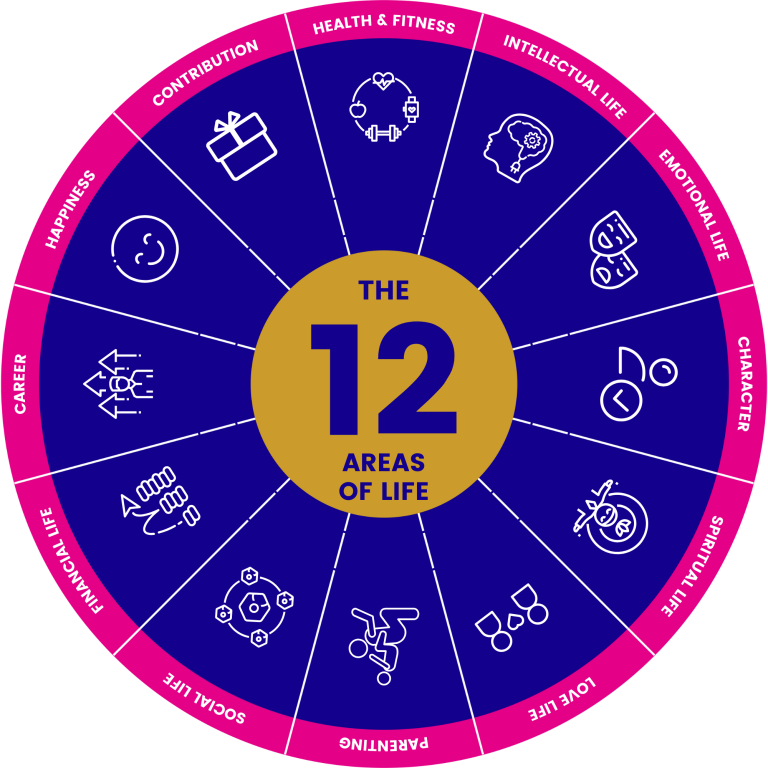
EMOTIONAL LIFE
Feel It to Heal It: Why You Should Stop Avoiding Your Emotions

How often do you find yourself brushing aside uncomfortable feelings, telling yourself to “just get over it” or distracting yourself with work, screens, or endless to-do lists? In a world that prizes productivity and positivity, it’s easy to fall into the trap of emotional avoidance. But what if the very feelings you’re running from are the key to your healing and growth? “Feel it to heal it” isn’t just a catchy phrase—it’s a powerful truth backed by science and lived experience. In this article, we’ll explore why facing your emotions is essential, how avoidance can hold you back, and practical ways to start embracing your feelings for a healthier, more authentic life.
The Cost of Avoiding Your Emotions
Emotional avoidance is a common coping mechanism. Whether it’s sadness, anger, fear, or even joy, many of us have learned to suppress or ignore our feelings. We might do this to protect ourselves from pain, to fit in, or simply because we were never taught how to process emotions in a healthy way.
But avoidance comes at a cost. Suppressed emotions don’t disappear—they linger beneath the surface, often manifesting as anxiety, irritability, physical symptoms, or even chronic stress. Over time, unprocessed emotions can impact our relationships, decision-making, and overall well-being. The more we avoid, the more disconnected we become from ourselves and others.
Why “Feeling It” Is Essential for Healing
Emotions are messengers. They carry important information about our needs, boundaries, and desires. When we allow ourselves to feel, we gain insight into what’s really going on inside us. This self-awareness is the first step toward healing and growth.
Research shows that acknowledging and expressing emotions—rather than suppressing them—can reduce stress, improve mental health, and even boost immune function. By feeling our emotions, we process and release them, making space for clarity, resilience, and genuine happiness.
The Science Behind Emotional Processing
When you experience an emotion, your brain and body work together to process it. If you suppress or avoid the feeling, your body remains in a state of tension or alertness. Over time, this can lead to chronic stress and health issues.
On the other hand, when you allow yourself to feel and express your emotions, your nervous system can return to balance. This process, known as emotional regulation, is essential for mental and physical health. It’s not about wallowing in feelings, but about acknowledging them, understanding their message, and letting them move through you.
Common Ways We Avoid Emotions
Emotional avoidance can be subtle or obvious. Some common strategies include:
- Keeping busy with work or distractions
- Numbing with food, alcohol, or screens
- Minimizing or rationalizing feelings (“It’s not a big deal”)
- Focusing on others’ needs instead of your own
- Using humor or sarcasm to deflect
While these tactics might offer temporary relief, they ultimately prevent us from addressing the root of our feelings.
How to Start Feeling Your Emotions
1. Create a Safe Space
Find a quiet, comfortable place where you can be alone with your thoughts. This could be your bedroom, a cozy corner, or even a walk in nature.
2. Tune Into Your Body
Emotions often show up as physical sensations—tightness in the chest, a lump in the throat, butterflies in the stomach. Notice what you’re feeling physically as a clue to your emotional state.
3. Name the Emotion
Give your feeling a name: sadness, anger, fear, joy, or something more nuanced. Naming your emotion helps you process it and reduces its intensity.
4. Allow the Feeling
Let yourself experience the emotion without judgment or the urge to “fix” it. Remind yourself that all feelings are valid and temporary.
5. Express Yourself
Journaling, talking to a trusted friend, or creative outlets like art or music can help you process and release emotions.
6. Practice Self-Compassion
Be gentle with yourself. Healing takes time, and it’s okay to feel vulnerable or uncomfortable as you learn to embrace your emotions.
The Rewards of Emotional Honesty
When you stop avoiding your emotions and start feeling them, you open the door to deeper self-understanding, authentic relationships, and true healing. You become more resilient, more compassionate, and more connected to your own needs and desires. Life becomes richer and more meaningful when you allow yourself to experience its full emotional spectrum.
Conclusion: My Personal Reflection
Learning to feel my emotions—rather than run from them—has been one of the most liberating and healing journeys of my life. There were times when I thought avoiding pain would protect me, but I’ve discovered that true strength comes from facing my feelings head-on. Each time I allow myself to feel, I grow a little more whole, a little more at peace. If you’re on this path too, know that you’re not alone—and that every step toward emotional honesty is a step toward healing.
Join Our Community!
Are you ready to embrace your emotions and live more authentically? Join our supportive community of people who are committed to feeling, healing, and growing together. Share your story, learn from others, and be part of a movement that values emotional honesty and self-compassion. Let’s heal, together—one feeling at a time.