

Currently Empty: ₹0.00
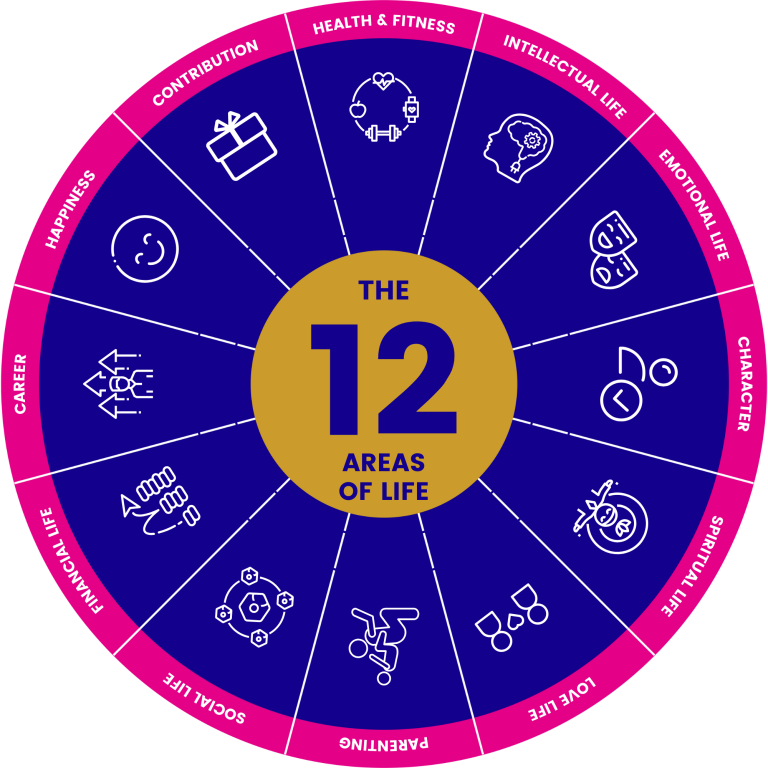
EMOTIONAL LIFE
Why Suppressing Emotions Makes You Sick

We’ve all been told to “keep it together” or “just get over it” at some point in our lives. But what happens when we habitually push down our feelings instead of expressing them? Research shows that suppressing emotions doesn’t just affect your mental health—it can take a serious toll on your body, too. Here’s why bottling up your feelings can make you sick, and how embracing your emotions can lead to true healing.
The Science Behind Suppressed Emotions
The Mind-Body Connection
Your mind and body are deeply linked. When you suppress emotions like anger, sadness, or fear, your body still registers the stress. Over time, this chronic, unprocessed stress can disrupt your immune system, hormones, and even your heart health.
Stress Hormones and Inflammation
Bottling up emotions keeps your body in a state of low-level stress. This triggers the release of stress hormones like cortisol and adrenaline, which, when elevated for long periods, can lead to inflammation, high blood pressure, digestive issues, and a weakened immune response.
The Cost to Mental Health
Suppressing emotions doesn’t make them disappear—they often resurface as anxiety, depression, or mood swings. Over time, this emotional backlog can make it harder to cope with life’s challenges and can even lead to burnout.
Physical Symptoms of Suppressed Emotions
- Headaches and Migraines: Tension from unexpressed feelings can manifest as chronic headaches.
- Digestive Problems: The gut is sensitive to stress and emotional turmoil, leading to issues like IBS or stomach pain.
- Muscle Tension and Pain: Suppressed emotions often show up as tightness in the neck, shoulders, or back.
- Sleep Disturbances: Unresolved emotions can keep your mind racing at night, making restful sleep difficult.
- Lowered Immunity: Chronic stress weakens your body’s defenses, making you more susceptible to illness.
Why Expressing Emotions Heals
Releases Built-Up Tension
Talking, writing, or even crying about your feelings helps release pent-up energy and tension, allowing your body to relax and recover.
Promotes Emotional Intelligence
Naming and expressing your emotions increases self-awareness and helps you respond to challenges in healthier ways.
Strengthens Relationships
Sharing your feelings with trusted people builds intimacy, trust, and support—key ingredients for emotional and physical well-being.
How to Start Expressing Your Emotions
- Check In With Yourself: Pause regularly to notice what you’re feeling, without judgment.
- Find Safe Outlets: Journaling, talking to a friend, creative expression, or physical activity can all help process emotions.
- Seek Support: If you struggle to express your feelings, consider talking to a therapist or counselor.
- Practice Self-Compassion: Remind yourself that all emotions are valid and part of being human.
Conclusion: A Personal Reflection
I used to believe that being strong meant hiding my feelings, but I learned the hard way that suppressed emotions only made me feel worse—physically and emotionally. When I started allowing myself to feel and express what was really going on, I found more energy, better health, and deeper connections. If you’re holding things in, know that letting your emotions out is not a weakness—it’s a path to true healing.
Join Our Community!
Ready to break free from emotional suppression and embrace true well-being? Join our supportive community! Share your journey, learn new tools, and connect with others who value emotional health. You belong here!