

Currently Empty: ₹0.00
NOTES
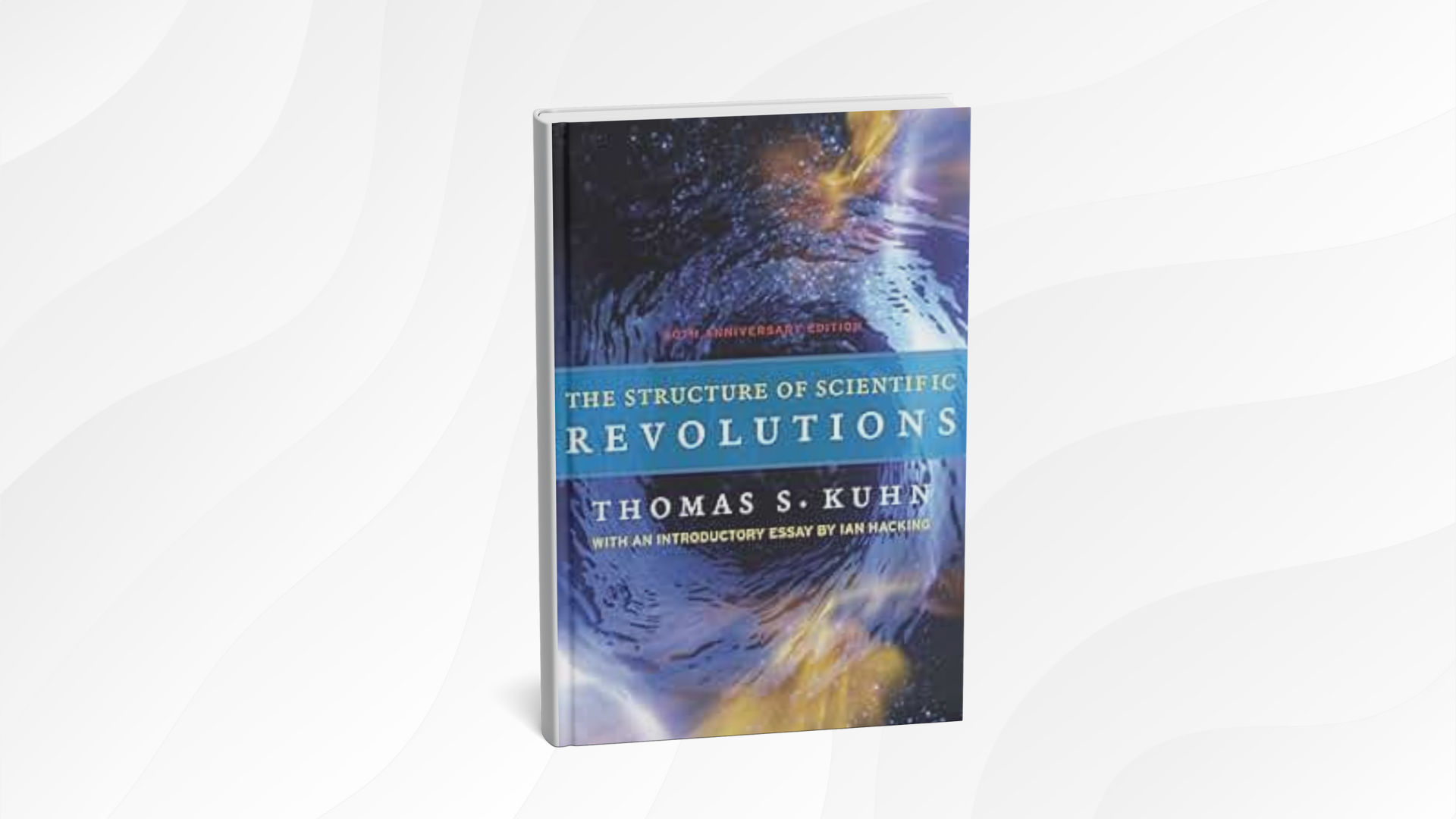
The Structure of Scientific Revolutions by Thomas S. Kuhn: 10 Simple Lessons for Understanding How Science Changes
Introduction
Hey friends! I just finished reading The Structure of Scientific Revolutions by Thomas S. Kuhn, and it really made me see science in a whole new way. I picked up this book because I wanted to understand how big discoveries happen and why science sometimes takes giant leaps instead of tiny steps. Kuhn’s ideas are deep but he explains them with stories that made me curious and excited about how we learn new things. Here are the biggest lessons I learned, and I hope they help you see science—and change—in a new light too!
10 Key Takeaways / Life Lessons
1. Science Doesn’t Always Move in a Straight Line
Kuhn says science isn’t just a slow, steady climb. Sometimes, it jumps forward in big bursts when new ideas shake everything up.
2. Paradigms Shape How We See the World
A “paradigm” is like a pair of glasses that helps scientists see and solve problems. I realized we all have our own “paradigms” that shape how we see things.
3. Normal Science Is Puzzle-Solving
Most of the time, scientists work on small problems within the current paradigm, like solving puzzles with known rules.
4. Anomalies Are Clues for Change
When something doesn’t fit the current rules, it’s called an “anomaly.” These are hints that something big might need to change.
5. Scientific Revolutions Happen When Paradigms Shift
When enough anomalies pile up, scientists may switch to a whole new way of thinking—a “paradigm shift.” It’s like changing the rules of the game!
6. Old Paradigms Don’t Go Quietly
People often resist new ideas, even when the old way isn’t working. I learned that change can be hard, but it’s part of how we grow.
7. New Paradigms Open New Possibilities
A new paradigm lets scientists see new questions and find new answers. It’s like discovering a new map for exploring the world.
8. Science Is a Human Story
Kuhn reminds us that scientists are people, with hopes, doubts, and disagreements. Science is shaped by human curiosity and teamwork.
9. Progress Isn’t Always Predictable
Big changes in science can come out of nowhere. I’m learning to expect surprises and stay open to new ideas.
10. We All Experience Paradigm Shifts
The biggest lesson? Paradigm shifts don’t just happen in science—they happen in our own lives, too. When we see things in a new way, everything can change.
Conclusion
Reading The Structure of Scientific Revolutions made me realize that change is a natural part of learning and growing. I’m more open to new ideas and less afraid of being wrong. If you want to understand how big breakthroughs happen—in science or in life—I hope these lessons inspire you too. We’re all learning and growing together!
Join The Journey
What’s one “paradigm shift” you’ve had in your life? I’d love for you to join our Growth Tribe—a friendly space where we share stories, ask questions, and cheer each other on. Let’s keep learning, growing, and welcoming new ideas—one discovery at a time. You’re always welcome here!