

Currently Empty: ₹0.00
NOTES
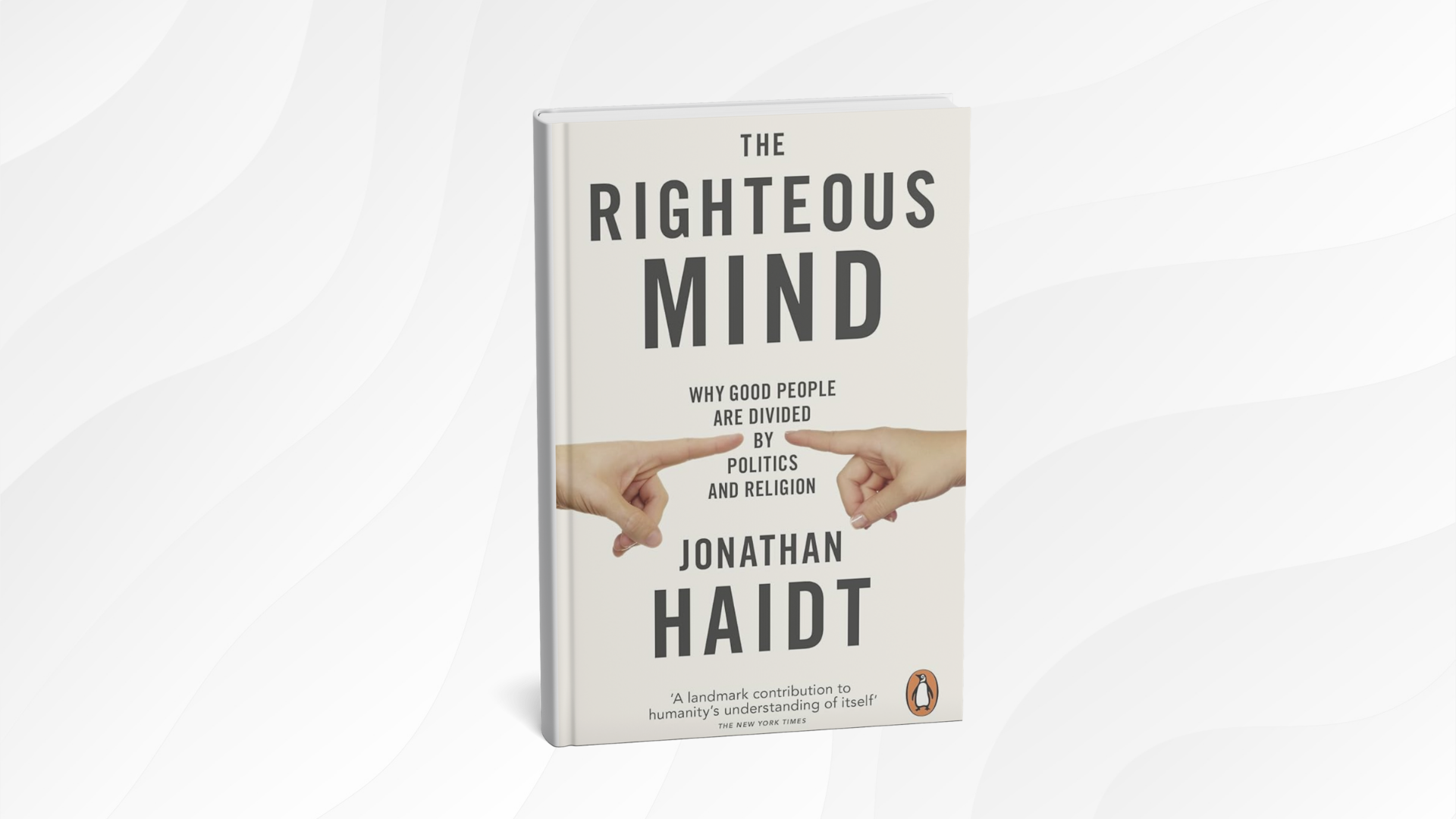
The Righteous Mind by Jonathan Haidt: 10 Simple Lessons for Understanding Ourselves and Each Other
Introduction
Hey friends! I just finished reading The Righteous Mind by Jonathan Haidt, and it really helped me see why people think and feel so differently about right and wrong. I picked up this book because I wanted to understand why we argue about politics, beliefs, and values—and how we can get along better. Jonathan’s stories and ideas are easy to follow and made me feel more curious and kind. Here are the biggest lessons I learned, and I hope they help you see the world with more understanding too!
10 Key Takeaways / Life Lessons
1. Morality Is More Than Just Fairness
Jonathan says our sense of right and wrong isn’t just about being fair. It’s also about things like loyalty, respect, and caring for others. I started noticing how different people value different things.
2. We All Have Moral “Taste Buds”
Just like we all like different foods, we all have different “moral taste buds.” Some people care more about freedom, others about safety or tradition. This helped me understand why people disagree.
3. Intuition Comes First, Reasoning Second
We often feel what’s right or wrong before we can explain it. Jonathan says our gut feelings come first, and then our brains try to justify them. I learned to listen to my feelings, but also to question them.
4. We’re Groupish, Not Just Selfish
Humans are wired to care about groups—like family, teams, or countries. I started seeing how being part of a group shapes what we believe and how we act.
5. Politics Is About Values, Not Just Facts
People on different sides often care about different values, not just different facts. I’m learning to ask, “What’s important to you?” instead of just arguing about who’s right.
6. Empathy Builds Bridges
Jonathan shows that understanding where someone is coming from—even if you disagree—can help you connect. I’m trying to listen more and judge less.
7. We All Have Blind Spots
No one sees the whole picture. The book reminded me to stay humble and open-minded, because I might be missing something important.
8. Stories Change Minds
Facts are good, but stories and personal experiences help people understand each other better. I started sharing my own stories and listening to others.
9. It’s Okay to Disagree
Jonathan says disagreement is normal and can even make us smarter. I’m learning not to take it personally when someone sees things differently.
10. Kindness and Curiosity Go a Long Way
The biggest lesson? Being kind and curious helps us get along, even when we don’t agree. I’m trying to ask more questions and look for what we have in common.
Conclusion
Reading The Righteous Mind made me feel more patient and open with people who see the world differently. I’m not as quick to judge, and I’m more interested in learning about others’ values and stories. If you want to understand yourself and others better, I hope these lessons inspire you too. We’re all learning and growing together!
Join The Journey
What’s one thing you’ve learned from someone who thinks differently? I’d love for you to join our Growth Tribe—a friendly space where we share stories, ask questions, and support each other. Let’s keep learning, growing, and building understanding—one conversation at a time. You’re always welcome here!