

Currently Empty: ₹0.00
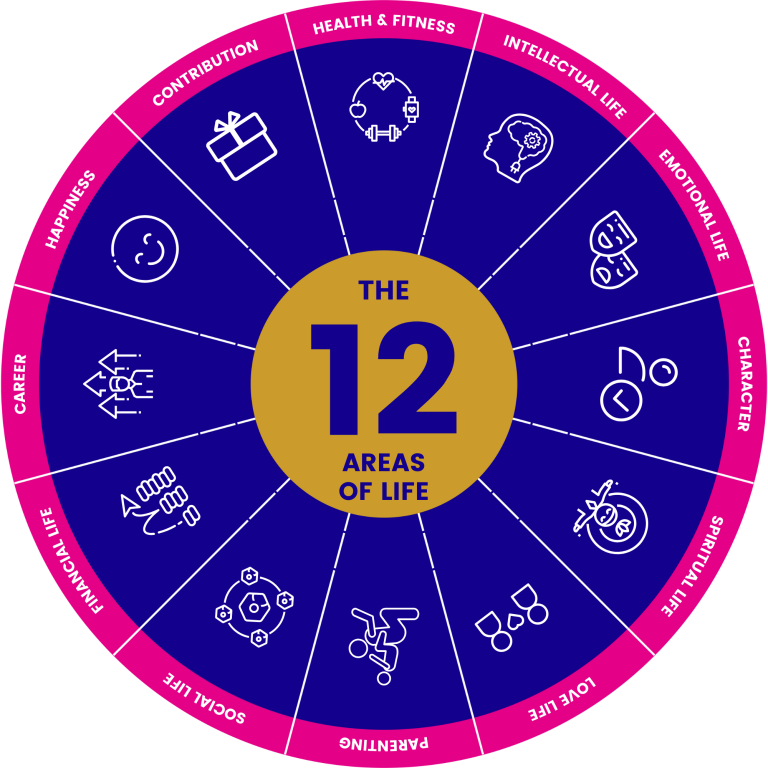
EMOTIONAL LIFE
The Power of Naming Your Emotions — Label to Liberate
Emotions are a fundamental part of being human, yet many of us struggle to identify exactly what we’re feeling. We might say we’re “stressed” or “upset,” but beneath the surface, there’s often a more specific emotion waiting to be named. The simple act of labeling your emotions—putting words to what you feel—can be surprisingly powerful. It’s a tool for self-awareness, healing, and growth. Here’s why naming your emotions matters, and how it can set you free.
Why Naming Emotions Is So Powerful
Brings Clarity and Understanding
When you name your emotions, you move from vague discomfort to clear understanding. Instead of feeling “bad,” you might realize you’re actually anxious, disappointed, or lonely. This clarity helps you know what you need and how to respond.
Reduces Emotional Intensity
Research shows that labeling emotions can actually calm the brain’s emotional centers. When you say, “I feel angry” or “I feel overwhelmed,” you create distance between yourself and the feeling, making it less overwhelming.
Empowers Healthy Choices
Once you know what you’re feeling, you can choose how to cope. Naming your emotions helps you respond thoughtfully, rather than react impulsively.
Improves Communication and Relationships
When you can express your emotions clearly, it’s easier for others to understand and support you. This leads to deeper connections and fewer misunderstandings.
How to Practice Naming Your Emotions
1. Pause and Tune In
Take a moment to check in with yourself. Notice any physical sensations, thoughts, or urges. Ask, “What am I feeling right now?”
2. Get Specific
Go beyond broad terms like “good” or “bad.” Are you frustrated, nervous, hopeful, or grateful? The more precise you are, the more helpful the label.
3. Use an Emotion Wheel
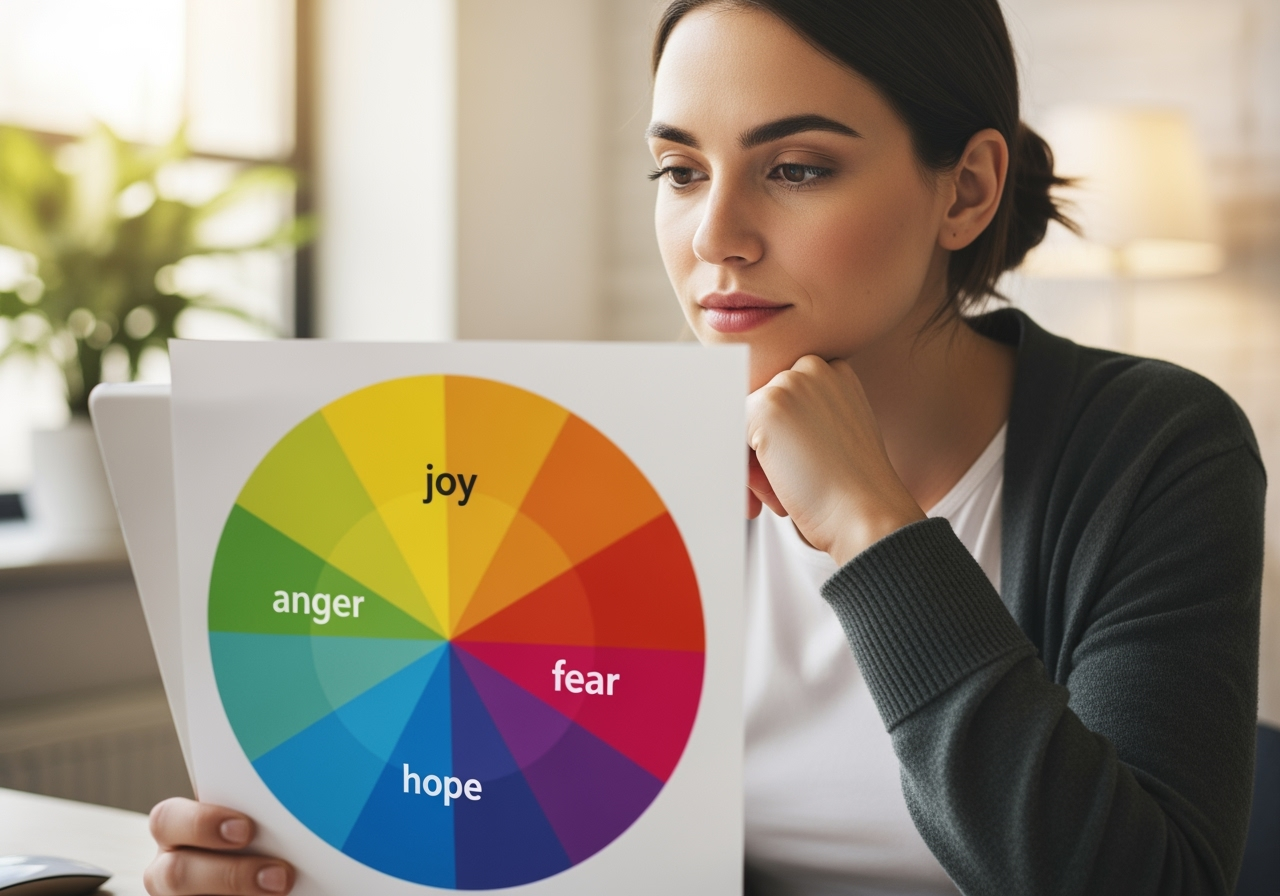
Tools like the emotion wheel can help you identify a wide range of feelings. Start with a basic emotion (like sadness or anger) and see if you can pinpoint a more specific word.
4. Say It Out Loud or Write It Down
Naming your emotion—either by speaking it or writing it—reinforces your awareness and helps process the feeling.
5. Practice Without Judgment
All emotions are valid. Don’t judge yourself for what you feel; simply notice and name it.
Conclusion: A Personal Reflection
Learning to name my emotions has been a game-changer. Instead of feeling lost in a swirl of feelings, I’ve found clarity, calm, and a greater sense of control. It’s not always easy, but every time I label what I’m feeling, I take a step toward understanding and healing. If you want to feel more empowered and connected—to yourself and others—start by naming your emotions. Label to liberate.
Join Our Community!
Ready to explore your emotions and grow in self-awareness? Join our supportive community! Share your journey, learn new tools, and connect with others who value emotional intelligence. You belong here!