

Currently Empty: ₹0.00
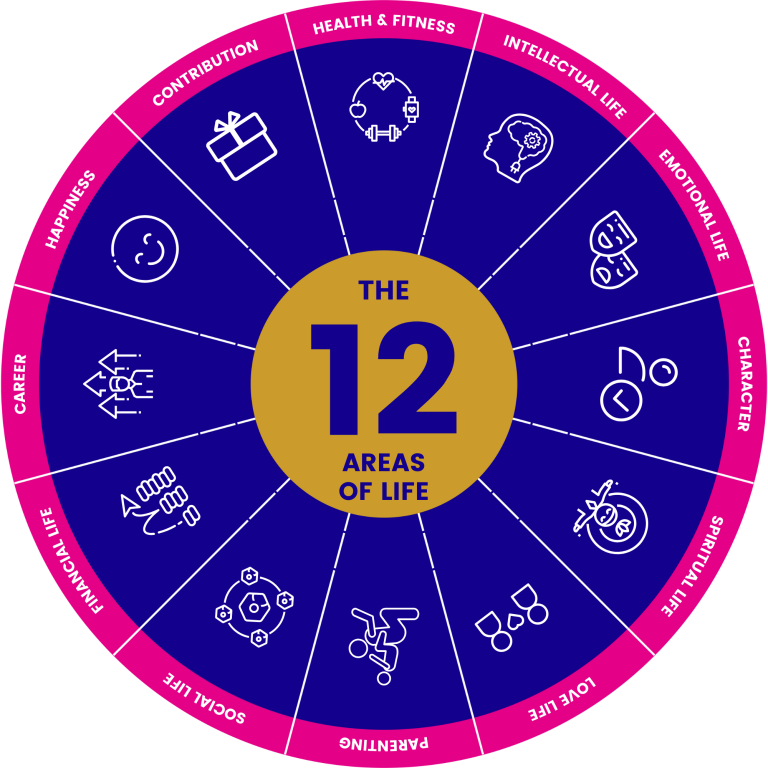
PARENTING
The Emotional Needs of Children (That Schools Won’t Teach You)

When we think about children’s education, academics often take center stage—reading, math, science, and test scores. But beneath the surface, every child has a set of emotional needs that are just as vital to their growth and happiness. While schools do their best, the reality is that many of these needs are nurtured at home, in families, and through everyday interactions. Understanding and meeting these emotional needs can make all the difference in a child’s confidence, resilience, and lifelong well-being.
Why Emotional Needs Matter
The Foundation for Learning and Growth
Children who feel emotionally secure are more likely to thrive academically, socially, and personally. Emotional needs—like feeling loved, safe, and understood—form the foundation for healthy brain development, curiosity, and the ability to handle life’s challenges.
What Schools Can’t Always Provide
While many schools are making strides in social-emotional learning, large class sizes, academic pressures, and limited resources mean that some emotional needs may go unmet. That’s why the role of parents, caregivers, and communities is so crucial.
The Core Emotional Needs of Children
1. Unconditional Love and Acceptance
Children need to know they are loved for who they are, not just for what they achieve. Unconditional love builds self-worth and gives kids the courage to explore, make mistakes, and grow.
2. Safety and Security
A sense of safety—both physical and emotional—is essential. Children need to feel protected from harm and know that their feelings and vulnerabilities will be respected.
3. Attention and Presence
Kids crave genuine attention. This means putting down devices, making eye contact, and truly listening. Even a few minutes of undivided attention each day can make a world of difference.
4. Validation of Feelings
Children need to know that their emotions are real and important. Instead of dismissing or minimizing their feelings (“Don’t be sad,” “You’re fine”), acknowledge and validate what they’re experiencing.
5. Consistent Boundaries
Boundaries provide structure and predictability, which help children feel safe. Consistent, loving limits teach kids self-control and respect for others.
6. Encouragement and Praise
Children blossom when their efforts are noticed and appreciated. Focus on praising the process (“You worked so hard on that!”) rather than just the outcome.
7. Opportunities for Autonomy
Kids need chances to make choices and solve problems on their own. This fosters independence, confidence, and a sense of responsibility.
8. Belonging and Connection
Children need to feel they are an important part of their family, community, and peer group. Rituals, shared activities, and family traditions help build this sense of belonging.
How Parents and Caregivers Can Meet These Needs
- Be Present: Set aside regular time for one-on-one connection, even if it’s just a few minutes a day.
- Listen Without Judgment: Let your child express their feelings and thoughts without rushing to fix or correct.
- Model Healthy Emotions: Show your child how you handle your own feelings—talk about them openly and demonstrate coping strategies.
- Create Routines: Predictable routines help children feel secure and know what to expect.
- Celebrate Uniqueness: Encourage your child’s interests and quirks, and let them know it’s okay to be themselves.
Conclusion: A Personal Reflection
As a parent, mentor, or caring adult, I’ve learned that meeting a child’s emotional needs is both a privilege and a responsibility. The moments spent listening, comforting, and encouraging are the ones that shape a child’s heart and future. While schools play an important role, it’s the love, presence, and understanding we offer at home that truly helps children flourish. Every child deserves to feel seen, heard, and cherished—let’s be the ones who make that happen.
Join Our Community!
Are you passionate about supporting children’s emotional well-being? Join our community of parents, caregivers, and educators! Share your experiences, find resources, and connect with others who believe in nurturing the whole child. Together, we can raise a generation that feels loved, confident, and resilient. You belong here!