

Currently Empty: ₹0.00
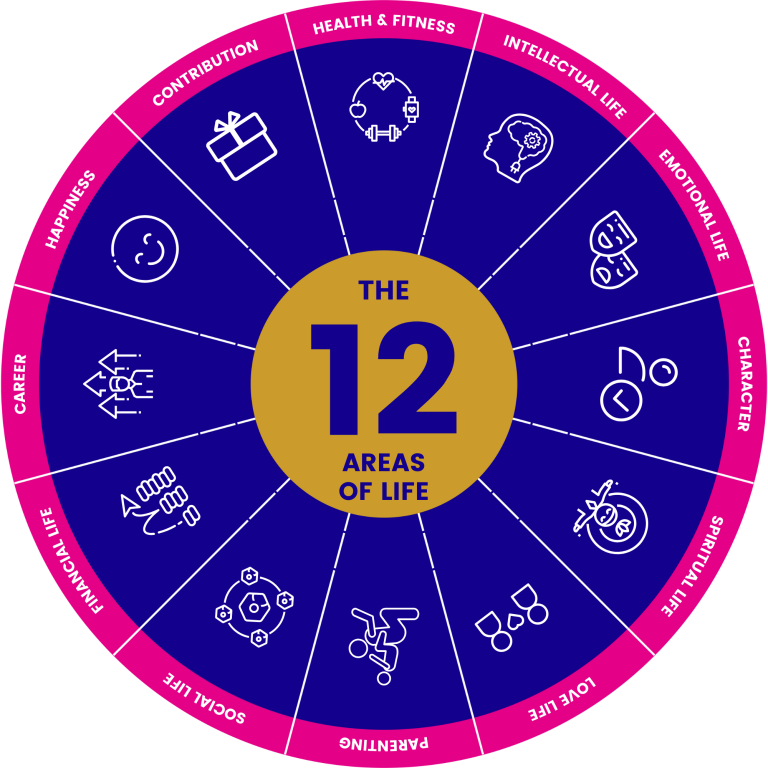
EMOTIONAL LIFE
Mastering Your Emotions with Techniques for Emotional Intelligence
- January 25, 2025
- Comment 0

Emotional intelligence (EQ) is the key to navigating the complexities of our feelings, relationships, and decision-making processes. When you master your emotions, you not only enhance your personal well-being but also improve your social interactions and professional life. Emotional intelligence is the ability to recognize, understand, and manage your own emotions, as well as the emotions of others.
In this post, we’ll explore powerful techniques to enhance your emotional intelligence, enabling you to live a more balanced, fulfilling, and empowered life.
1. Understand the Components of Emotional Intelligence
Emotional intelligence encompasses five core components, each contributing to a deeper awareness and control over emotions:
- Self-awareness: Understanding your own emotions and their impact on your thoughts and behavior.
- Self-regulation: The ability to manage your emotions healthily and constructively.
- Motivation: Being driven to achieve goals for personal reasons, beyond external rewards.
- Empathy: The ability to recognize and understand other people’s emotions.
- Social skills: Building strong relationships through effective communication and conflict resolution.
2. Practice Self-Awareness
Self-awareness is the foundation of emotional intelligence. Without it, you can’t properly understand or manage your emotions.
- Mindfulness Meditation: A simple but effective practice that involves paying attention to your thoughts and emotions without judgment. By regularly practicing mindfulness, you become more aware of your emotional triggers and patterns.
- Journaling: Write down your emotions daily. Reflect on your feelings, what caused them, and how they influenced your behavior. This practice helps you identify patterns and understand your emotional responses better.
- Body Scanning: Notice how emotions manifest physically in your body. For example, anxiety may cause tightness in your chest, while anger may result in clenched fists. Recognizing these sensations can alert you to your emotions before they escalate.
“The more you know yourself, the more you can grow.”
3. Develop Self-Regulation
Self-regulation allows you to manage your emotional responses in a healthy and constructive way. It’s about pausing before reacting impulsively, especially during stressful situations.
- Pause and Breathe: When you feel intense emotions rising (anger, frustration, etc.), take a few deep breaths. This can help calm your mind and create space between stimulus and reaction.
- Practice Cognitive Reframing: Reframe negative thoughts into more positive or neutral perspectives. Instead of thinking, “I’m terrible at this,” try “I’m still learning, and I can improve.”
- Set Emotional Boundaries: Identify situations or people that tend to trigger negative emotions and set boundaries to protect your well-being. This can be especially important in toxic relationships or high-stress work environments.
4. Cultivate Empathy
Empathy is about understanding and sharing the feelings of others. It allows you to connect more deeply and respond with compassion.
- Active Listening: Give your full attention to the speaker without interrupting or formulating a response in your mind. This shows that you genuinely care about their feelings and perspective.
- Put Yourself in Their Shoes: Imagine how others might feel in a situation. How would you respond if you were in their position? Practicing empathy strengthens relationships and improves your ability to support others.
- Ask Open-Ended Questions: When someone is sharing their emotions, ask questions like, “How did that make you feel?” or “What do you need from me right now?” This encourages open dialogue and shows that you value their emotional experience.
5. Strengthen Social Skills
Effective communication and relationship-building are essential for emotional intelligence. Strong social skills can improve both personal and professional interactions.
- Practice Assertiveness: Being assertive means expressing your feelings, thoughts, and needs clearly, respectfully, and confidently. Practice saying “no” when necessary and standing up for yourself in a calm, measured way.
- Non-Verbal Communication: Pay attention to body language, tone of voice, and facial expressions—both yours and others’. Much of emotional communication happens non-verbally, so being mindful of these cues can enhance understanding.
- Conflict Resolution: When conflicts arise, approach them with the intention of resolving the issue rather than “winning” the argument. Focus on understanding the other person’s point of view, and express your own feelings without blaming or accusing.
6. Embrace Positive Emotions
While managing negative emotions is important, it’s equally essential to embrace and cultivate positive emotions like joy, gratitude, and compassion.
- Practice Gratitude: Take time each day to reflect on what you’re grateful for. This simple practice can boost your mood, increase resilience, and strengthen your relationships with others.
- Engage in Acts of Kindness: Doing something kind for others can enhance your emotional well-being and contribute to a positive cycle of emotions.
- Celebrate Wins: Acknowledge your achievements, both big and small. Celebrating your successes boosts your self-esteem and reinforces positive emotions.
“Happiness is not something ready-made. It comes from your own actions.” – Dalai Lama
7. Learn to Manage Stress
Stress is a natural part of life, but how you manage it determines its impact on your emotional health. By learning to cope with stress effectively, you can maintain emotional balance.
- Exercise: Physical activity is one of the most effective ways to reduce stress and improve emotional well-being. Aim for regular exercise to release endorphins and clear your mind.
- Relaxation Techniques: Techniques like deep breathing, progressive muscle relaxation, and guided visualization can help reduce stress and calm your nervous system.
- Time Management: Stress often arises from feeling overwhelmed by tasks. Improve your time management skills by prioritizing tasks, breaking them into manageable steps, and delegating when possible.
8. Develop Emotional Resilience
Emotional resilience is the ability to bounce back from adversity. By strengthening your resilience, you can weather life’s challenges without letting them derail your emotional well-being.
- Maintain a Growth Mindset: Approach setbacks as opportunities to learn and grow. Instead of focusing on failure, focus on the lessons you can take from each experience.
- Support Network: Surround yourself with a supportive network of friends, family, and mentors. Having people to turn to in times of stress can enhance your resilience.
- Self-Care: Prioritize self-care practices like getting enough sleep, eating healthily, and engaging in activities that replenish your energy. A healthy body contributes to emotional strength.
9. Final Thoughts: Master Your Emotions for a Better Life
Mastering your emotions through emotional intelligence is one of the most powerful ways to improve your quality of life. By practicing self-awareness, self-regulation, empathy, social skills, and emotional resilience, you can build stronger relationships, make better decisions, and live a more fulfilling life.
Take the Next Step in Your Emotional Mastery
If you’re ready to dive deeper into mastering your emotional intelligence, our Mission Mastery Membership provides exclusive access to tools, workshops, and a supportive environment to help you thrive emotionally, mentally, and physically.
Join today and start your journey toward mastering your emotions and transforming your life! Together, we can achieve greater emotional well-being and create lasting positive change.