

Currently Empty: ₹0.00
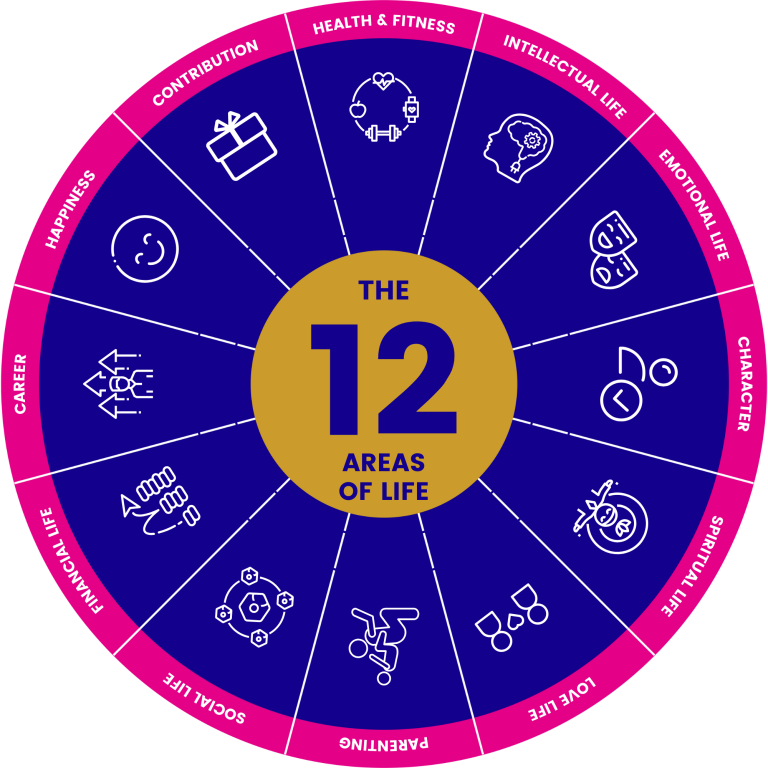
EMOTIONAL LIFE
How to Set Boundaries Without Guilt or Fear

Setting boundaries is one of the most important acts of self-care, yet it’s something many of us struggle with. We worry about disappointing others, being seen as selfish, or triggering conflict. But healthy boundaries aren’t about shutting people out—they’re about honoring your needs, protecting your energy, and creating space for authentic connection. Here’s how to set boundaries without guilt or fear, and why doing so is a gift to both yourself and those around you.
Why Boundaries Matter
Protect Your Well-Being
Boundaries help you manage your time, energy, and emotions. They prevent burnout, resentment, and overwhelm by making it clear what you can and cannot give.
Build Healthier Relationships
When you set clear limits, you teach others how to treat you. Boundaries foster respect, trust, and open communication, making relationships more balanced and fulfilling.
Honor Your Values
Boundaries are a way of living in alignment with what matters most to you. They help you prioritize your needs, goals, and values—without apology.
Why Guilt and Fear Show Up
- Cultural Conditioning: Many of us are taught to put others first, equating self-care with selfishness.
- Fear of Rejection: We worry that saying no will lead to conflict or loss of connection.
- Desire to Please: Wanting to be liked or accepted can make it hard to assert our needs.
Recognizing these patterns is the first step to breaking free.
How to Set Boundaries Without Guilt or Fear
1. Get Clear on Your Needs
Reflect on what drains you and what nourishes you. Identify situations where you feel uncomfortable, resentful, or overwhelmed—these are often signs that a boundary is needed.
2. Start Small and Practice
Begin with low-stakes situations. Practice saying no to minor requests or expressing a preference. Each small success builds your confidence.
3. Use Simple, Direct Language
You don’t need to over-explain or apologize. Try phrases like, “I’m not available for that,” or “That doesn’t work for me right now.” Be kind but firm.
4. Expect Discomfort—But Don’t Let It Stop You
It’s normal to feel uneasy at first. Remind yourself that discomfort is temporary, but the benefits of healthy boundaries are lasting.
5. Stand Firm with Compassion
Some people may push back. Stay calm, repeat your boundary if needed, and remember that you’re not responsible for others’ feelings or reactions.
6. Reframe Guilt as Growth
Instead of seeing guilt as a sign you’re doing something wrong, recognize it as evidence you’re growing and changing old patterns.
7. Celebrate Your Progress
Acknowledge each time you honor your needs. Every boundary you set is a step toward greater self-respect and well-being.
Conclusion: A Personal Reflection
Learning to set boundaries changed my life. At first, I felt guilty and afraid, but with practice, I discovered a new sense of freedom and self-respect. My relationships became healthier, and I had more energy for what truly mattered. If you’re struggling with boundaries, know that you’re not alone—and that you deserve to protect your well-being, without apology.
Join Our Community!
Ready to set healthy boundaries and connect with others on the same journey? Join our supportive community! Share your experiences, learn new strategies, and celebrate your growth. Together, we can create a culture of self-respect and authentic connection. You belong here!