

Currently Empty: ₹0.00
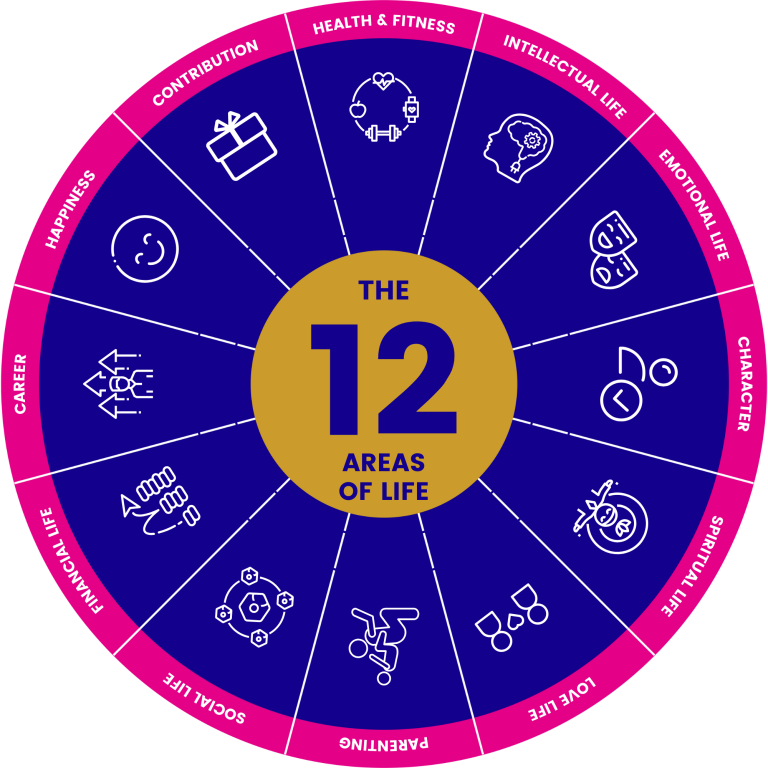

Emotional wounds are like invisible scars—they may not be seen, but they can hurt just as much as physical injuries. Whether it’s heartbreak, betrayal, loss, or trauma, emotional pain can leave us feeling stuck, broken, and unsure of how to move forward.
But here’s the good news: healing is possible. As Rumi once said, “The wound is the place where the light enters you.”
In this beginner’s guide, I’ll share practical steps to help you heal emotional wounds and rediscover your strength, joy, and purpose. Let’s begin the journey to thriving again.
1. Acknowledge Your Pain: The First Step to Healing
“What you resist, persists. What you look at disappears.” – Carl Jung
The first step to healing is acknowledging your pain. It’s tempting to push emotions aside or pretend everything is fine, but true healing begins when you face your feelings head-on.
Here’s how to start:
Name your emotions. Are you feeling sadness, anger, guilt, or something else?
Journal about your experiences to process what happened.
Give yourself permission to feel without judgment.
Remember, acknowledging your pain isn’t a sign of weakness—it’s a courageous step toward healing.
2. Practice Self-Compassion: Be Kind to Yourself
“You yourself, as much as anybody in the entire universe, deserve your love and affection.” – Buddha
When you’re hurting, it’s easy to fall into self-criticism or blame. But healing requires self-compassion—treating yourself with the same kindness and understanding you’d offer a friend.
Here’s how to practice self-compassion:
Replace negative self-talk with supportive, loving words.
Remind yourself that it’s okay to not be okay.
Take time to rest and nurture yourself, whether it’s through a warm bath, a walk in nature, or simply curling up with a good book.
Self-compassion creates a safe space for healing to unfold.
3. Seek Support: You Don’t Have to Heal Alone
“Healing takes time, and asking for help is a courageous step.” – Mariska Hargitay
Healing emotional wounds can feel overwhelming, but you don’t have to do it alone. Reaching out for support is a powerful way to lighten the load and gain new perspectives.
Consider these options:
Talk to a trusted friend or family member who can listen without judgment.
Join a support group where you can connect with others who understand your pain.
Seek professional help from a therapist or counselor who specializes in emotional healing.
Remember, asking for help isn’t a sign of weakness—it’s a step toward strength.
4. Release Emotional Baggage: Let Go of What No Longer Serves You
“Letting go doesn’t mean that you don’t care about someone anymore. It’s just realizing that the only person you really have control over is yourself.” – Deborah Reber
Holding onto past hurts can weigh you down and prevent you from moving forward. To heal, you need to release the emotional baggage that’s keeping you stuck.
Here’s how to start letting go:
Write a letter to the person or situation that caused you pain (you don’t have to send it).
Practice forgiveness—not for them, but for your own peace of mind.
Use mindfulness or meditation to release negative emotions and create space for positivity.
Letting go is a process, but each step brings you closer to freedom.
5. Rebuild Your Inner Strength: Focus on Resilience
“You may have to fight a battle more than once to win it.” – Margaret Thatcher
Healing isn’t just about recovering from pain—it’s about building resilience so you can face future challenges with confidence. Resilience is like a muscle; the more you use it, the stronger it gets.
Here’s how to build resilience:
Set small, achievable goals to regain a sense of control.
Celebrate your progress, no matter how small.
Practice gratitude to shift your focus from what’s wrong to what’s right in your life.
Over time, you’ll find that you’re not just surviving—you’re thriving.
6. Rediscover Joy: Reconnect with What Makes You Happy
“The best way to heal a broken heart is to give God all the pieces.” – Unknown
Healing isn’t just about moving past pain—it’s also about rediscovering joy. Reconnecting with activities, people, and passions that bring you happiness can help you feel alive again.
Here’s how to start:
Make a list of things that used to bring you joy and try them again.
Explore new hobbies or interests that excite you.
Spend time with loved ones who uplift and inspire you.
Joy is a powerful healer. The more you invite it into your life, the more you’ll feel like yourself again.
7. Create a New Narrative: Rewrite Your Story
“Your life is your story. Write well. Edit often.” – Susan Statham
Emotional wounds can make you feel defined by your pain. But you have the power to rewrite your story and create a new narrative that reflects your strength and resilience.
Here’s how to start:
Reflect on the lessons you’ve learned from your experiences.
Focus on how far you’ve come and the growth you’ve achieved.
Visualize the future you want and take small steps toward it every day.
Your past doesn’t define you—it prepares you for the amazing things ahead.
Ready to Heal and Thrive Again?
Healing emotional wounds is a journey, not a destination. By following these steps, you’ll begin to process your pain, build resilience, and rediscover the joy and purpose that make life worth living.
But why stop here? If you’re ready to take your healing journey to the next level, join our Mission Mastery Membership! This exclusive program is designed to help you stay accountable, access expert guidance, and connect with a community of like-minded individuals who are all working toward their best selves.
Don’t wait—your healing starts today. Join the Mission Mastery Membership now and let’s thrive together!