

Currently Empty: ₹0.00
NOTES
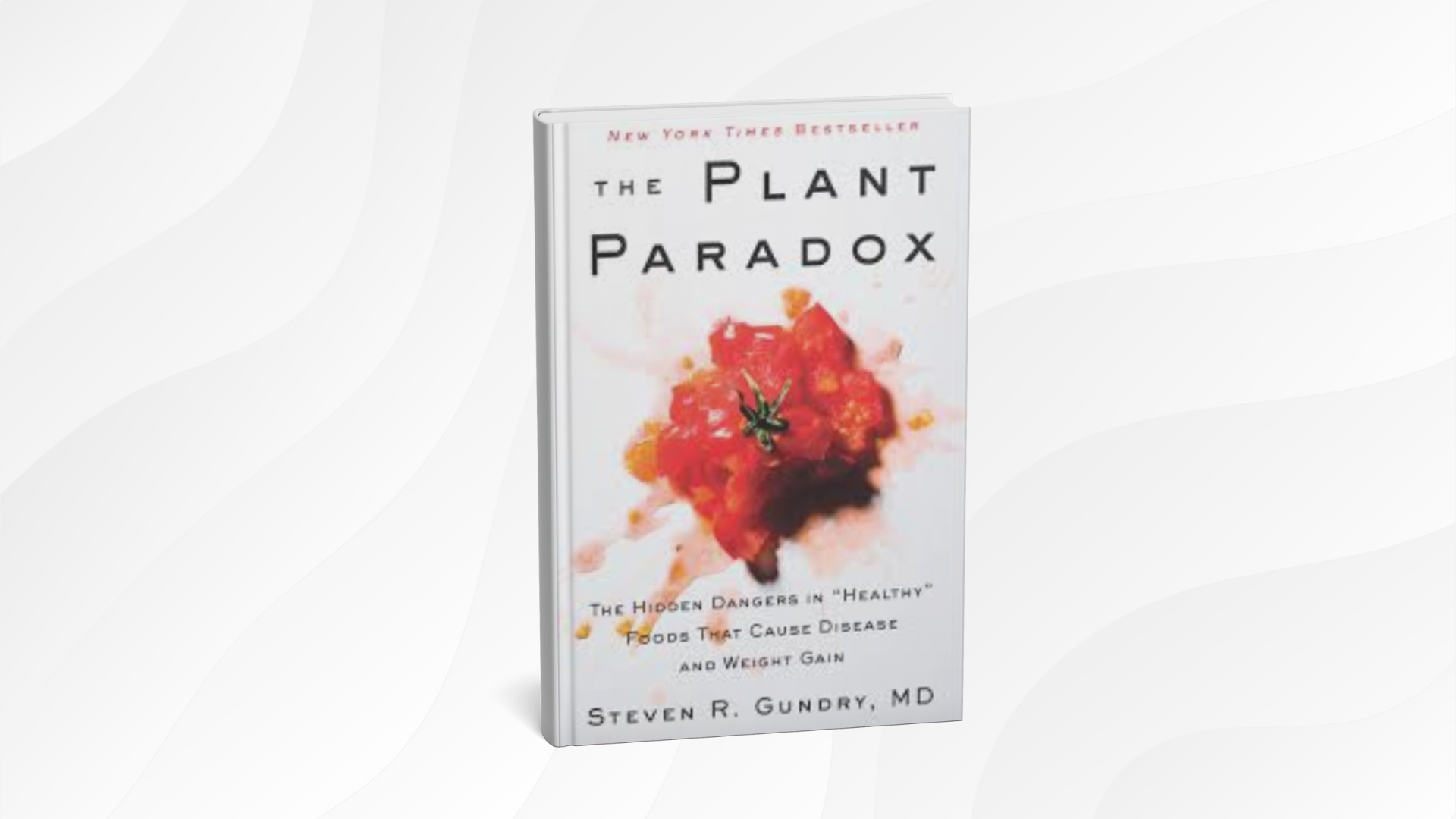
The Plant Paradox by Steven R. Gundry: 10 Simple Lessons for Better Health and Eating
Introduction
Hey friends! Today, I want to talk about a book that really made me rethink what I put on my plate: The Plant Paradox by Dr. Steven R. Gundry. I picked it up because I was curious about why some “healthy” foods sometimes made me feel tired or bloated. This book opened my eyes to how plants protect themselves and how that can affect our bodies. I’m excited to share the biggest lessons I learned, hoping they help you feel your best too!
10 Key Takeaways / Life Lessons
1. Not All “Healthy” Foods Are Good for Everyone
Dr. Gundry explains that some foods we think are healthy—like tomatoes, beans, and whole grains—can actually cause problems for some people. It’s not about good or bad, but about what works for your body. This helped me listen more closely to how I feel after eating.
2. Plants Have Their Own Defenses
Plants can’t run away, so they use chemicals called lectins to protect themselves. Some of these lectins can bother our stomachs or make us feel unwell. It’s like plants have tiny shields, and we need to know which ones might poke us!
3. Lectins Can Be Sneaky
Lectins are found in lots of foods, even ones we eat every day. They can hide in things like bread, beans, and even some fruits. Learning this made me more curious about what’s really in my food.
4. Cooking Can Make a Big Difference
The good news is, cooking, soaking, or pressure-cooking foods can help get rid of many lectins. It’s like giving your food a gentle wash before you eat it. Now, I pay more attention to how I prepare my meals.
5. Listen to Your Body’s Signals
If you feel tired, achy, or have tummy troubles after eating, your body might be telling you something. Dr. Gundry taught me to notice these signals and not just ignore them.
6. Gut Health Is Super Important
A happy gut means a happy you! The book explains how our gut is like a garden, and we need to take care of it by feeding it the right foods and avoiding things that hurt it.
7. Small Changes Add Up
You don’t have to change everything overnight. Even swapping out one food or trying a new way of cooking can make a big difference. I started with little changes, and it felt much easier.
8. Everyone’s Body Is Unique
What works for one person might not work for another. The Plant Paradox reminded me that it’s okay to be different and to find what makes me feel my best.
9. Don’t Fear All Plants
Not all plants are bad! There are plenty of veggies and fruits that are gentle on our bodies. It’s about finding the ones that love you back.
10. Food Is About Feeling Good, Not Just Following Rules
The biggest lesson? Eating should make you feel good, not stressed. It’s not about strict rules, but about learning, experimenting, and enjoying the journey to better health.
Conclusion
Reading The Plant Paradox made me much more mindful about what I eat and how it makes me feel. I’m now trying new recipes, paying attention to my body, and not being afraid to make changes if something isn’t working. It’s not about being perfect—it’s about feeling better, one meal at a time. I hope my journey helps you feel empowered to listen to your own body, too.
Call to Action
How do you feel after your meals? Have you ever noticed certain foods make you feel off? I’d love to hear your stories and learn together! If you want to keep exploring books and ideas for better health and happiness, come join our Growth Tribe. Let’s support each other, share tips, and keep growing—inside and out!