

Currently Empty: ₹0.00
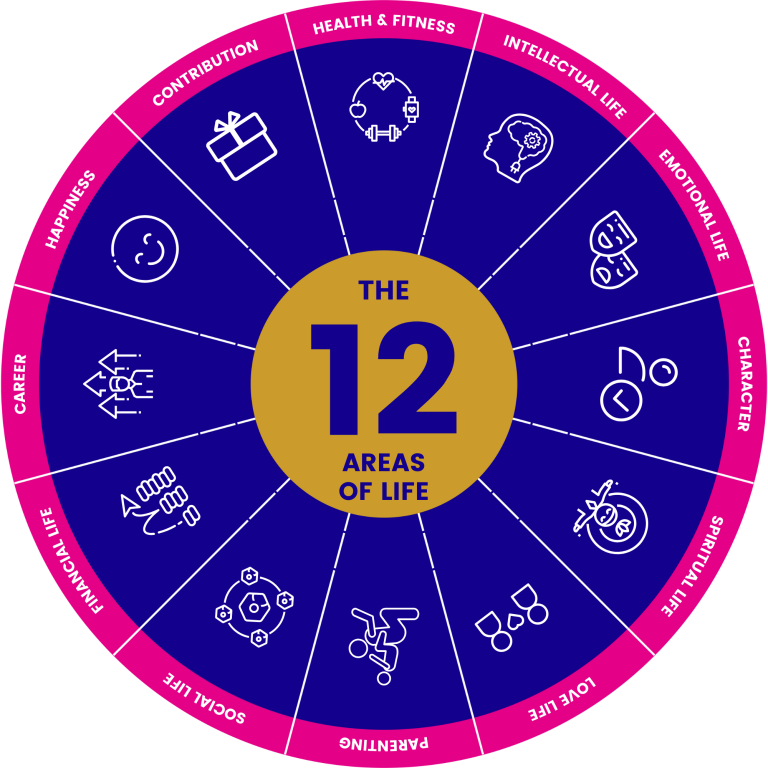
EMOTIONAL LIFE
7 Signs of Unprocessed Emotions (And How to Release Them)

Have you ever felt weighed down by emotions you can’t quite name? Maybe you find yourself snapping at loved ones, feeling inexplicably tired, or stuck in old patterns that don’t serve you. These could be signs of unprocessed emotions—feelings that haven’t been fully acknowledged, expressed, or released. Left unchecked, these emotions can quietly shape our thoughts, behaviors, and even our physical health. In this article, we’ll explore seven common signs that you might be carrying unprocessed emotions and, most importantly, practical ways to release them for a lighter, more authentic life.
1. Persistent Irritability or Mood Swings
If you notice yourself getting easily annoyed or your mood shifting rapidly without clear reason, it could be a sign of emotional buildup. Unprocessed emotions often simmer beneath the surface, making you more reactive to minor triggers. Instead of blaming yourself or others, try to pause and ask: “What am I really feeling right now?” Journaling or talking with a trusted friend can help you identify and process these underlying emotions.
2. Chronic Fatigue or Low Energy
Emotional baggage is heavy—literally. Carrying unresolved feelings can drain your energy, leaving you feeling tired even after a good night’s sleep. If you’re experiencing unexplained fatigue, consider whether you’re holding onto stress, grief, or anger. Gentle movement, like yoga or walking, can help release stored emotional energy from the body.
3. Physical Aches and Tension
Our bodies often speak the language of unprocessed emotions. Headaches, tight shoulders, stomach issues, or unexplained aches can all be physical manifestations of emotional stress. Practices like body scanning, breathwork, or massage can help you tune into these sensations and begin to release what’s being held.
4. Difficulty Concentrating
When emotions are left unaddressed, they can cloud your mind and make it hard to focus. You might find yourself distracted, forgetful, or unable to complete tasks. Mindfulness exercises, such as focusing on your breath or grounding yourself in the present moment, can help clear mental clutter and bring emotional clarity.
5. Avoidance or Numbing Behaviors
Do you find yourself scrolling endlessly, binge-watching shows, overeating, or turning to substances to escape? These behaviors are often attempts to avoid uncomfortable feelings. Instead of numbing out, try to sit with your emotions, even if it’s just for a few minutes. Gentle self-compassion and curiosity can help you face what you’ve been avoiding.
6. Overreacting to Small Triggers
If small inconveniences or comments set off big emotional reactions, it’s often a sign that something deeper is at play. These overreactions are usually rooted in past experiences or unprocessed pain. When you notice this happening, take a step back and ask yourself: “Is this reaction about the present moment, or something from my past?” This awareness is the first step toward healing.
7. Feeling Stuck or Unable to Move Forward
Unprocessed emotions can keep you feeling stuck in old patterns, relationships, or beliefs. You might sense that you’re repeating the same mistakes or unable to make progress in certain areas of your life. Working with a therapist, coach, or support group can provide guidance and accountability as you process and release what’s holding you back.
How to Release Unprocessed Emotions
Practice Emotional Awareness
Start by noticing and naming your feelings. Give yourself permission to feel without judgment. Sometimes, simply acknowledging an emotion is enough to begin releasing it.
Express Yourself Creatively
Art, music, writing, or movement can be powerful outlets for emotional release. You don’t have to be an artist—just let your feelings flow in whatever way feels natural.
Move Your Body
Physical activity helps shift emotional energy. Try dancing, stretching, or even shaking out your limbs to release tension.
Seek Support
You don’t have to do this alone. Reach out to friends, family, or professionals who can offer a listening ear and guidance.
Practice Mindfulness and Breathwork
Mindfulness helps you stay present with your emotions, while deep breathing calms your nervous system and creates space for release.
Conclusion: A Personal Reflection
Looking back, I realize how often I tried to “power through” difficult emotions, only to find them resurfacing in unexpected ways. Learning to recognize the signs of unprocessed feelings—and giving myself permission to release them—has been transformative. It’s not always easy, but it’s always worth it. When we honor our emotions, we make room for healing, growth, and genuine joy.
Join Our Community
If you’re ready to break free from emotional baggage and connect with others on the path to healing, join our community! Together, we support each other in processing emotions, sharing stories, and building resilience. You don’t have to carry it all alone—be part of a movement that values authenticity, compassion, and growth. Join us today and start your journey toward emotional freedom!